Karnak Temple history at a glance
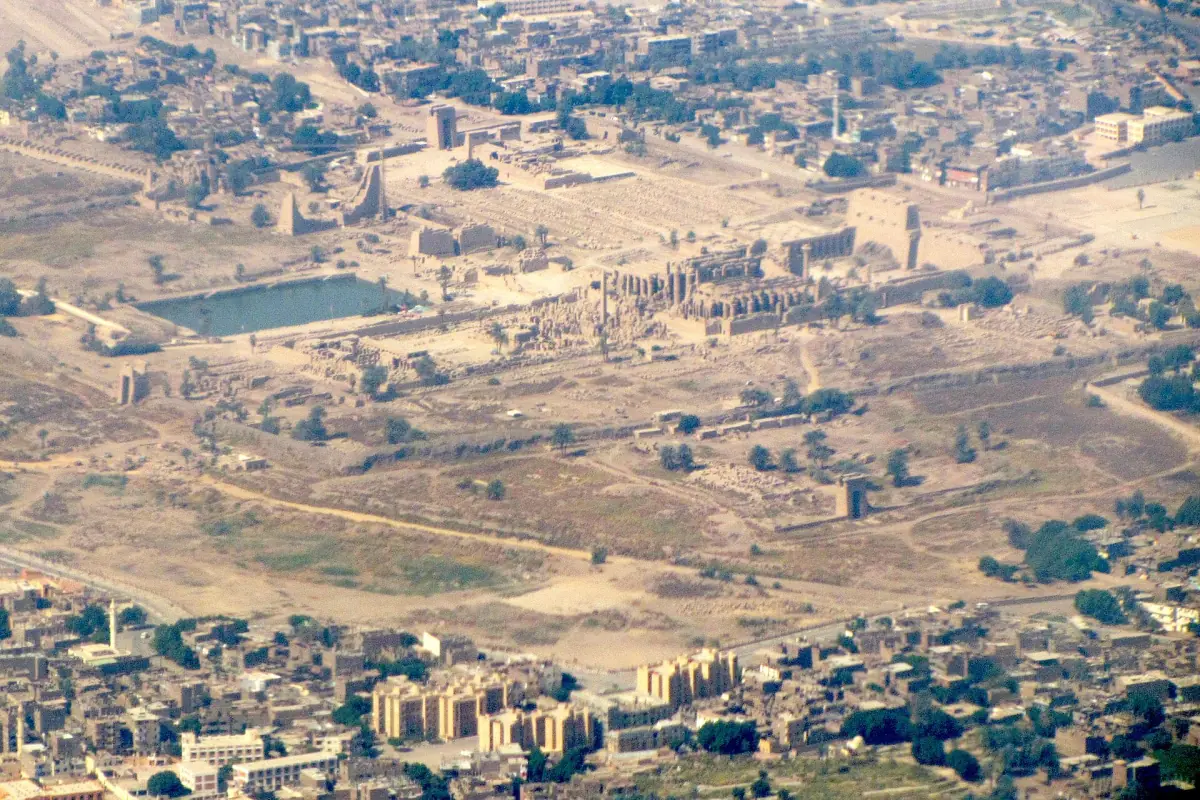
Karnak is a temple complex on the east bank of the Nile in Luxor. Its centre is the precinct of the god Amun. Nobody planned the whole site at once. Kings from many reigns added to it, and the earliest traces lead back to Intef II. Building went on into Ptolemaic and Roman times.
Two names are easy to mix up. Thebes is the ancient city, Luxor is the modern town. Thebes gained weight from the Middle Kingdom on, and many of the monuments you pass today date from the New Kingdom. If you would rather hear the story on site, guided Karnak and Luxor tours put the buildings in order for you.
Thebes, Amun and the precincts
What the site is made of.
The Amun precinct
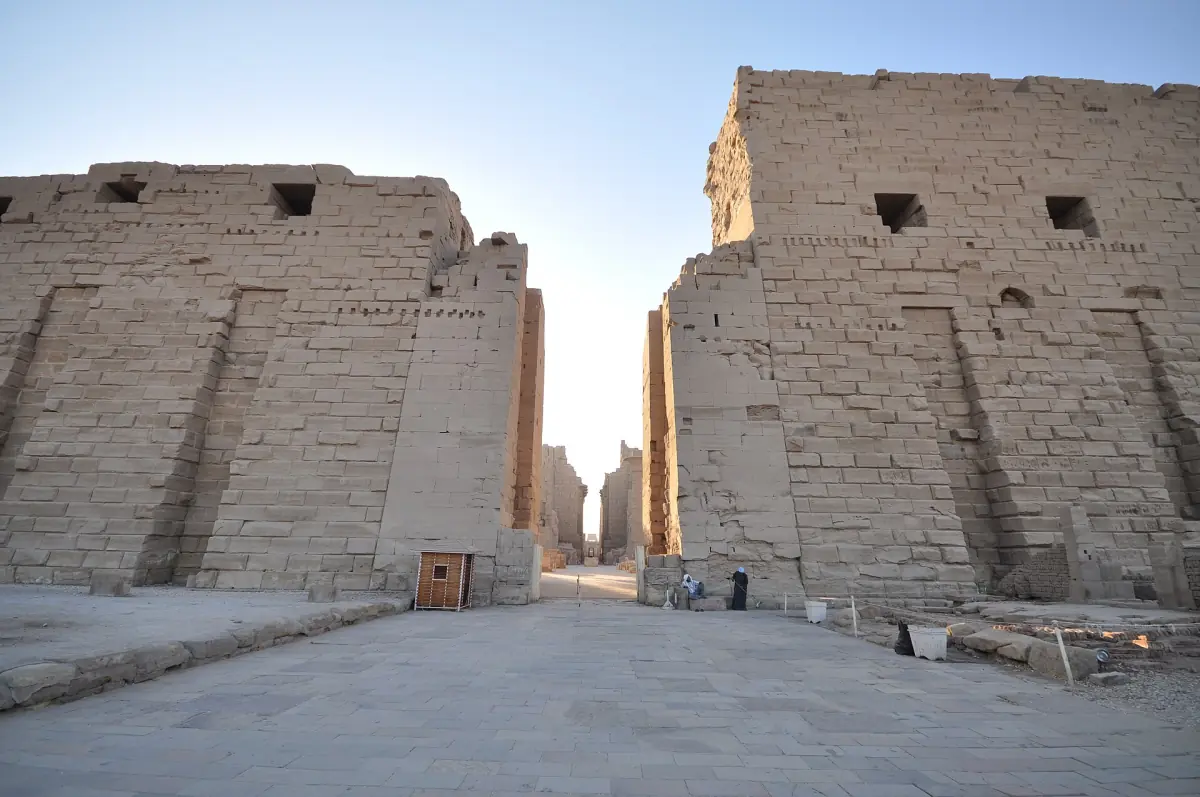
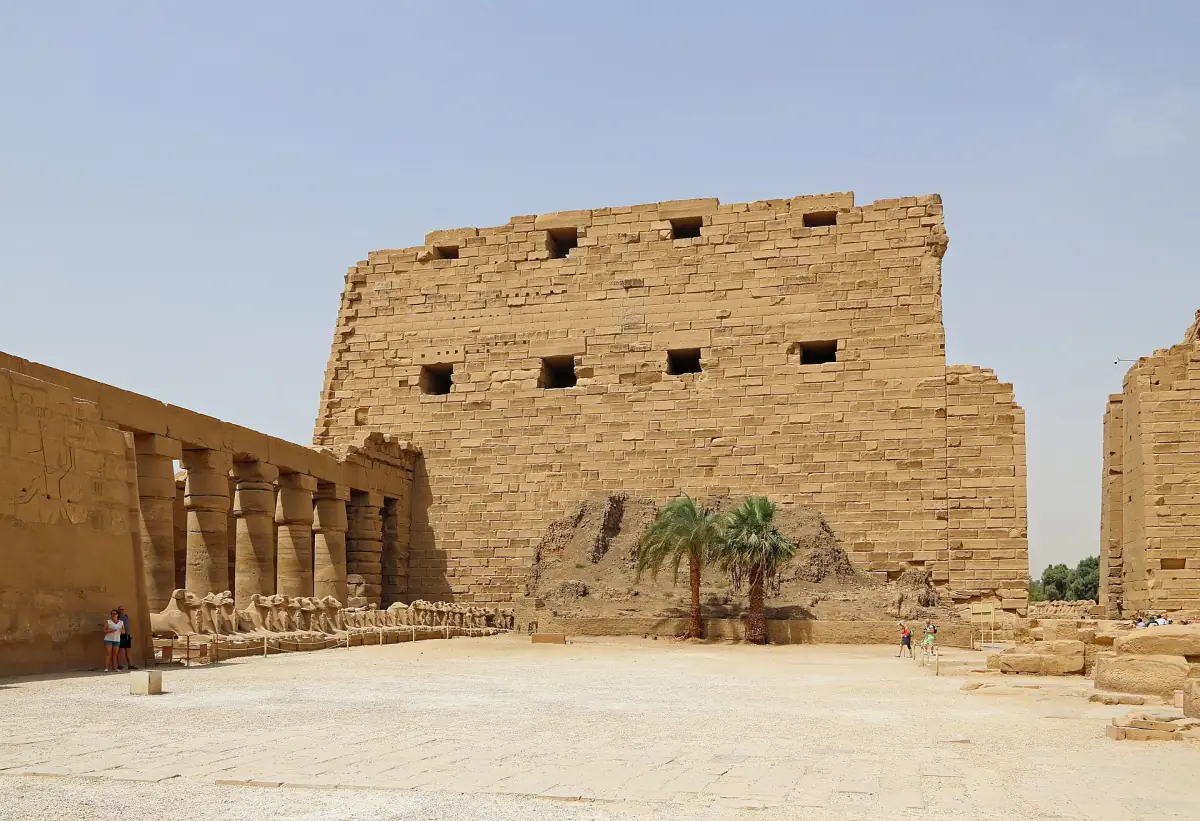
This is the central and best known part of Karnak, with the great halls, the pylons, the obelisks and the Sacred Lake. Most visits focus on it. The pylons are numbered I to X, six along the east-west axis and four along the axis that runs south.
The Mut precinct
Mut lies south of the Amun precinct. It has its own ticket, EGP 200 for foreign adults and EGP 100 for students in 2026.
The Montu precinct
Montu lies north of the Amun precinct and belongs to the wider Karnak area.
The Aten temple
East of the main temple stood the Aten temple of Akhenaten. Use it as a reminder that Karnak held more than one cult over time.
The royal burials of the New Kingdom lie across the river on the west bank. For that side of Thebes, see the history of the Valley of the Kings.
Our pick: a private guide at Karnak
A private guide turns the history on this page into a walk through the temple, with the Karnak ticket in the price.
Hand-picked tours, booked through GetYourGuide. Prices are indicative starting prices in US dollars (as of October 2026). Tap a tour for live availability and the current price in your currency.
Karnak and Luxor tours
Guided visits of Karnak, East Bank days and combinations with the West Bank, with live prices and availability.
Who built what
The main building phases and what you can still see.
| Phase | Ruler | What to look for |
|---|---|---|
| Earliest traces | Intef II | – |
| Middle Kingdom | Senusret I (attributed) | The White Chapel in the Open Air Museum |
| New Kingdom | Thutmose I | An obelisk of 21.7 m behind the third pylon |
| New Kingdom | Hatshepsut | The standing obelisk and the Red Chapel |
| New Kingdom | Thutmose III | The Akh-menu and a calcite chapel in the Open Air Museum |
| New Kingdom | Seti I and Ramesses II | The Great Hypostyle Hall |
| Later periods | Ptolemaic and Roman rulers | Further additions |
Dates in years are left out on purpose. Regnal dates depend on the chronology system you use, and no single founding year exists for the whole complex. For most first-time visitors, the hall, Hatshepsut's obelisk and the Open Air Museum tell the story best.
Seti I, Ramesses II and the great hall
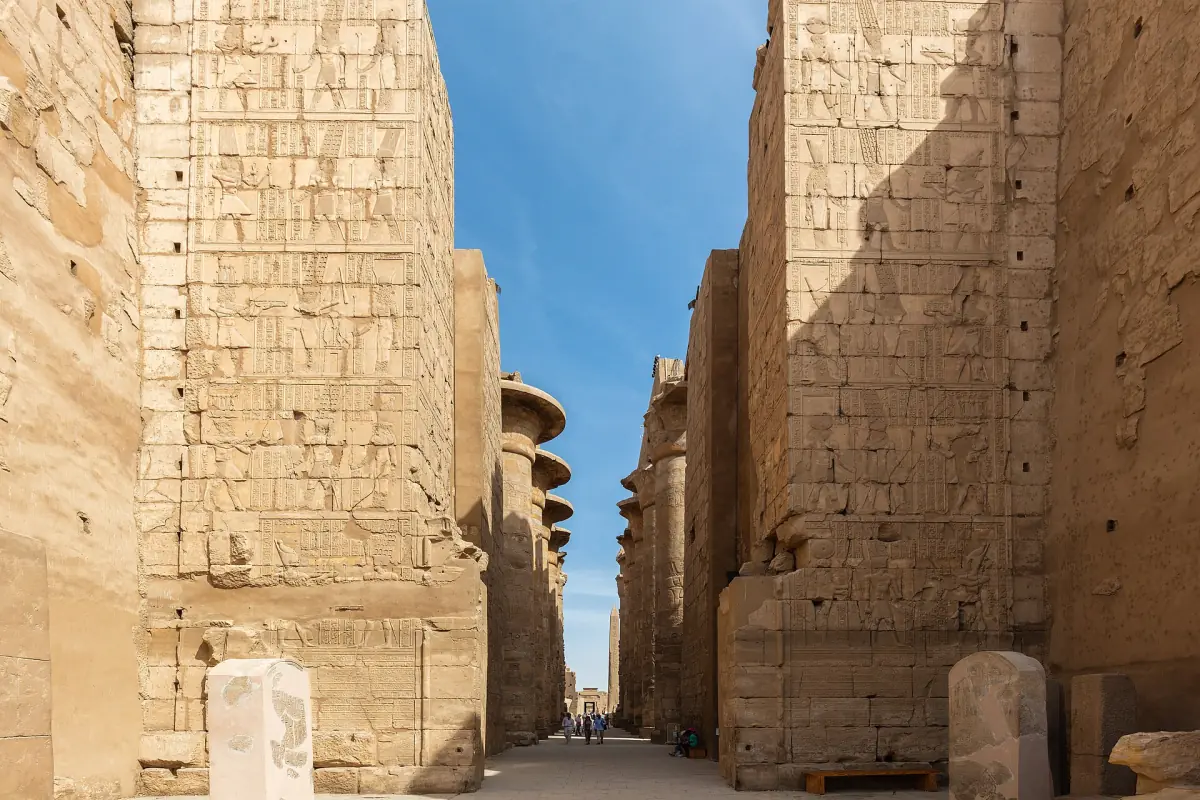
The Great Hypostyle Hall was built mainly under Seti I and finished under Ramesses II. Seti decorated the interior in raised relief. Ramesses II had parts of it recut as sunk relief, so not every figure is an untouched work of the same king.
Hatshepsut and Thutmose III worked on other parts of the precinct. Thutmose III built the Akh-menu. Hatshepsut left the tall standing obelisk. Read more in the guides to the Great Hypostyle Hall and to Hatshepsut's obelisk and the Sacred Lake.
The Opet procession to Luxor
Why Karnak and Luxor Temple belong together.
During the Opet festival, the cult images of Amun, Mut and Khonsu travelled in procession from Karnak to Luxor Temple. There they visited Amenemopet. That was a religious ceremony of the ancient world, not a modern yearly festival you can plan a trip around. The link between the two temples is why the Avenue of Sphinxes exists, and why Luxor Temple fits well into a Karnak visit.
For visit details in 2026, the Karnak ticket costs EGP 600 for foreign adults and EGP 300 for students, and the site is open daily from 06:00 to 17:00. See the ticket guide and the facts page for numbers.
Ancient Thebes, UNESCO and the modern visit
How the history shows up on the ground today.
A listing larger than Karnak
UNESCO lists Ancient Thebes with its Necropolis. The listing covers Karnak, Luxor Temple and the necropolises on the west bank. Its area is far larger than the Karnak complex, so do not read the listed area as the size of the temple.
Two banks, two halves of the story
Karnak and Luxor Temple lie on the east bank, the side of the living city and its temples. Tombs, the Valley of the Kings, Deir el-Bahari and the Colossi of Memnon lie on the west bank. A day that combines both needs a river crossing.
Work that is still going on
A restoration programme for the building of Taharqa north of the Sacred Lake runs from 2024 to 2027. It is a work programme, not a closing date for the temple.
If you are planning both banks, the Karnak and Valley of the Kings day plan shows how to fit them together, and things to do in Luxor lists more stops nearby.
Keep reading
Where to go next.
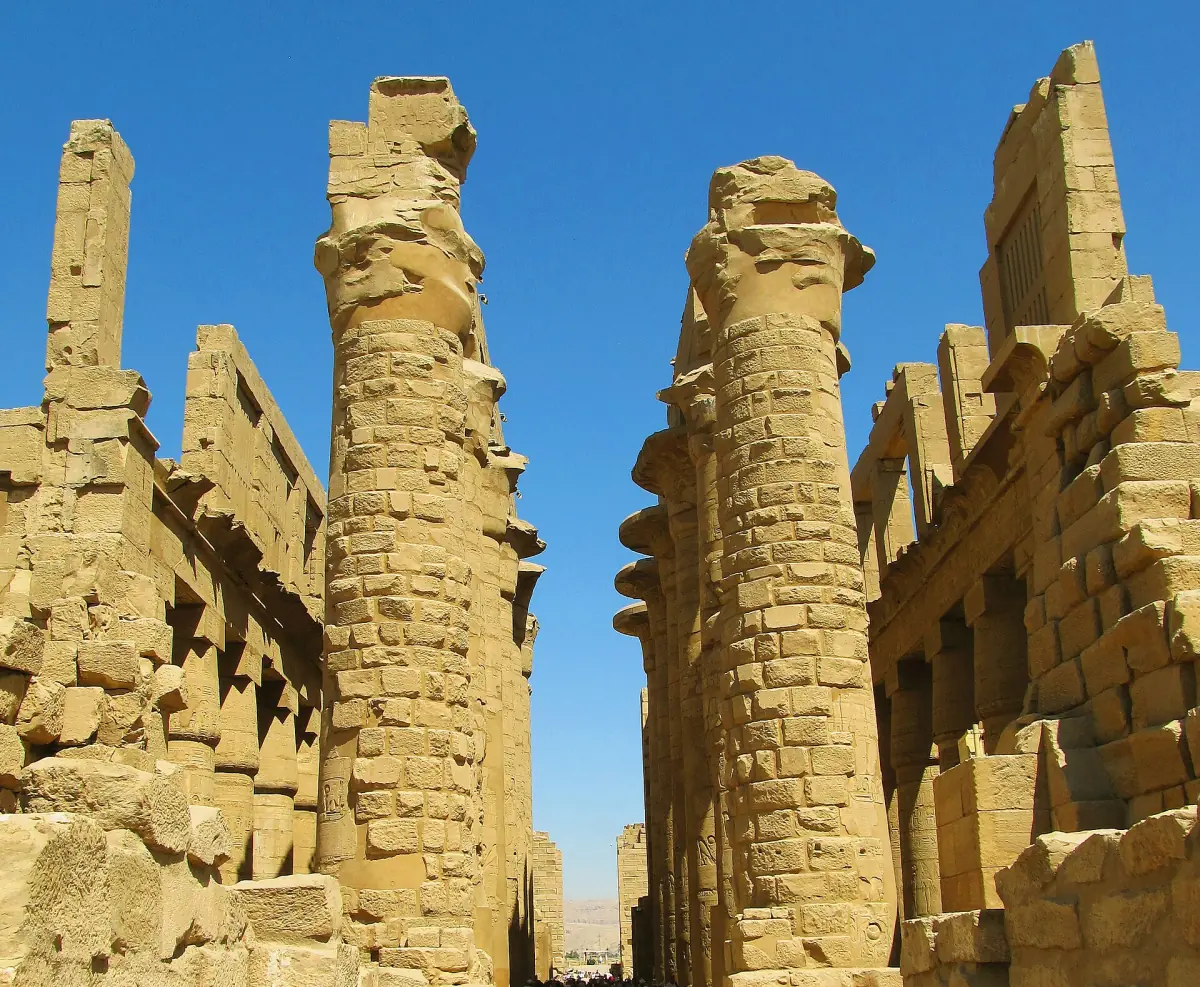
Great Hypostyle Hall
134 columns, two builders and how the light works.
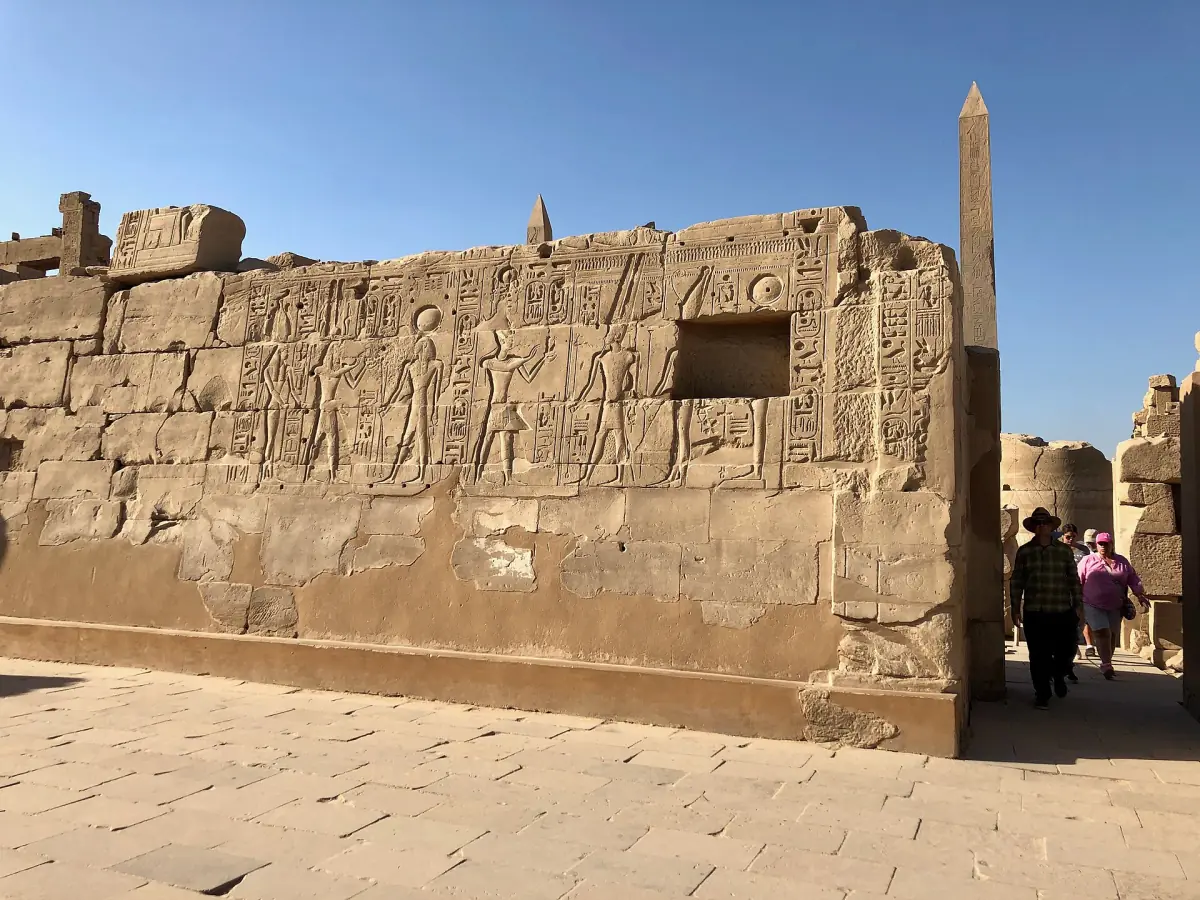
Obelisk and Sacred Lake
Hatshepsut's obelisk and the priests' lake.
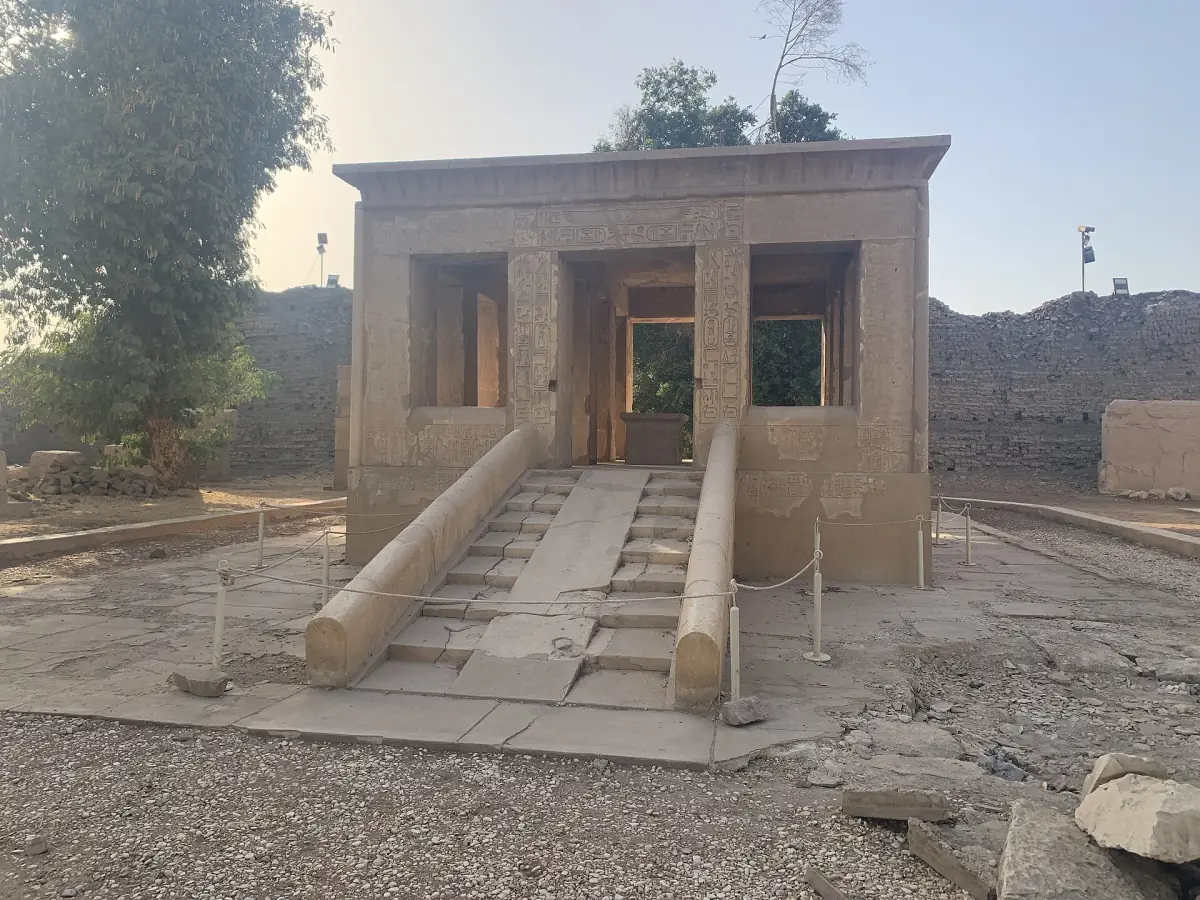
Open Air Museum
The White Chapel and the Red Chapel.
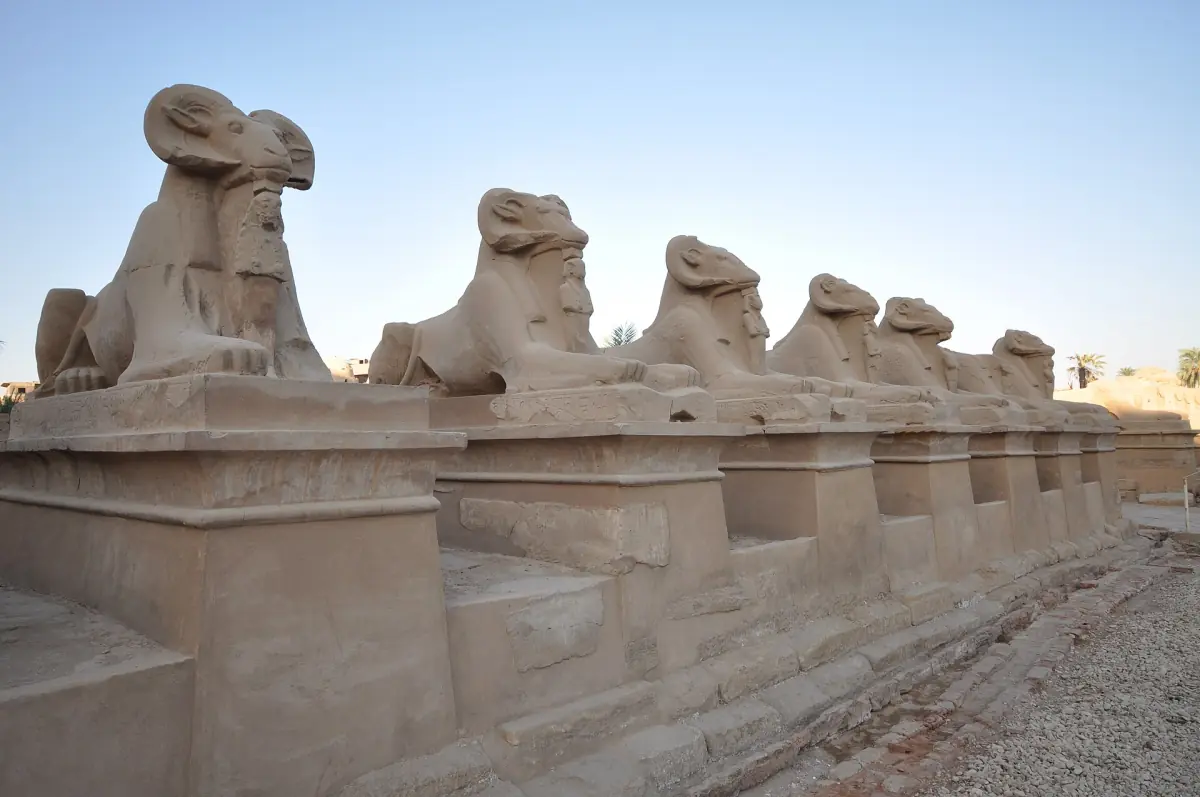
Avenue of Sphinxes
The link between Karnak and Luxor Temple.
For the city as a whole, the Luxor guide to Karnak Temple covers what lies around the site.
Karnak Temple history: frequently asked questions
When was Karnak built?
There is no single founding year for the whole complex. The earliest traces lead back to Intef II, and building went on into Ptolemaic and Roman times. Individual monuments such as the hall or the obelisks have their own builders.
Who built Karnak Temple?
Many rulers. Seti I and Ramesses II are linked with the Great Hypostyle Hall, Hatshepsut with the standing obelisk and the Red Chapel, Thutmose III with the Akh-menu. Senusret I is attributed with the White Chapel.
What was Karnak used for?
It was the main cult place of Amun in Thebes. The Mut and Montu precincts honoured other gods, and the priests used the Sacred Lake for purification before rituals.
Is Karnak the same as Luxor Temple?
No. They are two separate temples on the east bank, about 3 km apart, with separate tickets. The Opet procession linked them in ancient times.
Is this the official Karnak website?
No. This is an independent travel guide. Entry tickets come from the ticket offices at the site or the state ticket portal, and the tours shown here come from independent providers.