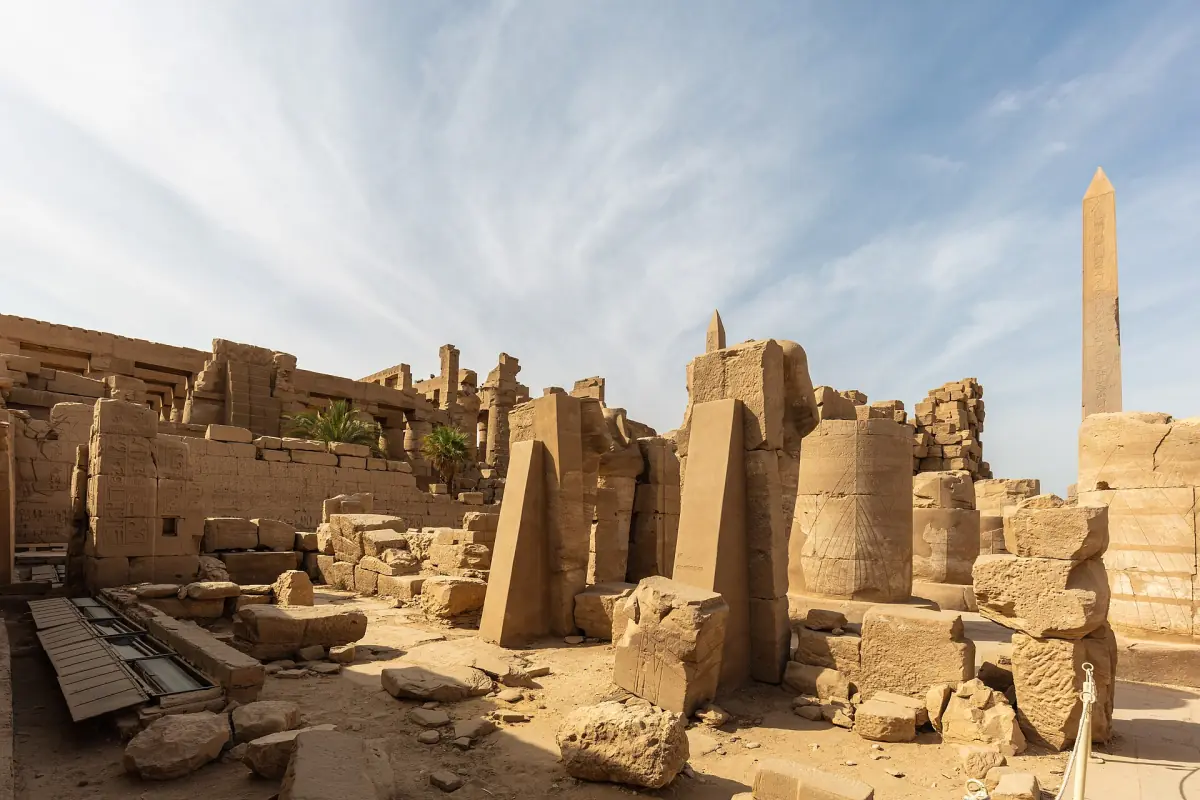
The Obelisk of Hatshepsut at a glance
The standing Obelisk of Hatshepsut rises almost 30 m and weighs more than 300 tonnes. Behind the third pylon stands a second obelisk, of Thutmose I. It is shorter at 21.7 m and weighs about 143 tonnes. It is made of red granite from Aswan.
Look for the three vertical lines of inscription on each side of the Thutmose I obelisk. The central line carries his dedication. The Sacred Lake lies in the same precinct and was the place where priests purified themselves before rituals. To hear all of this explained on the spot, see the Karnak tours.
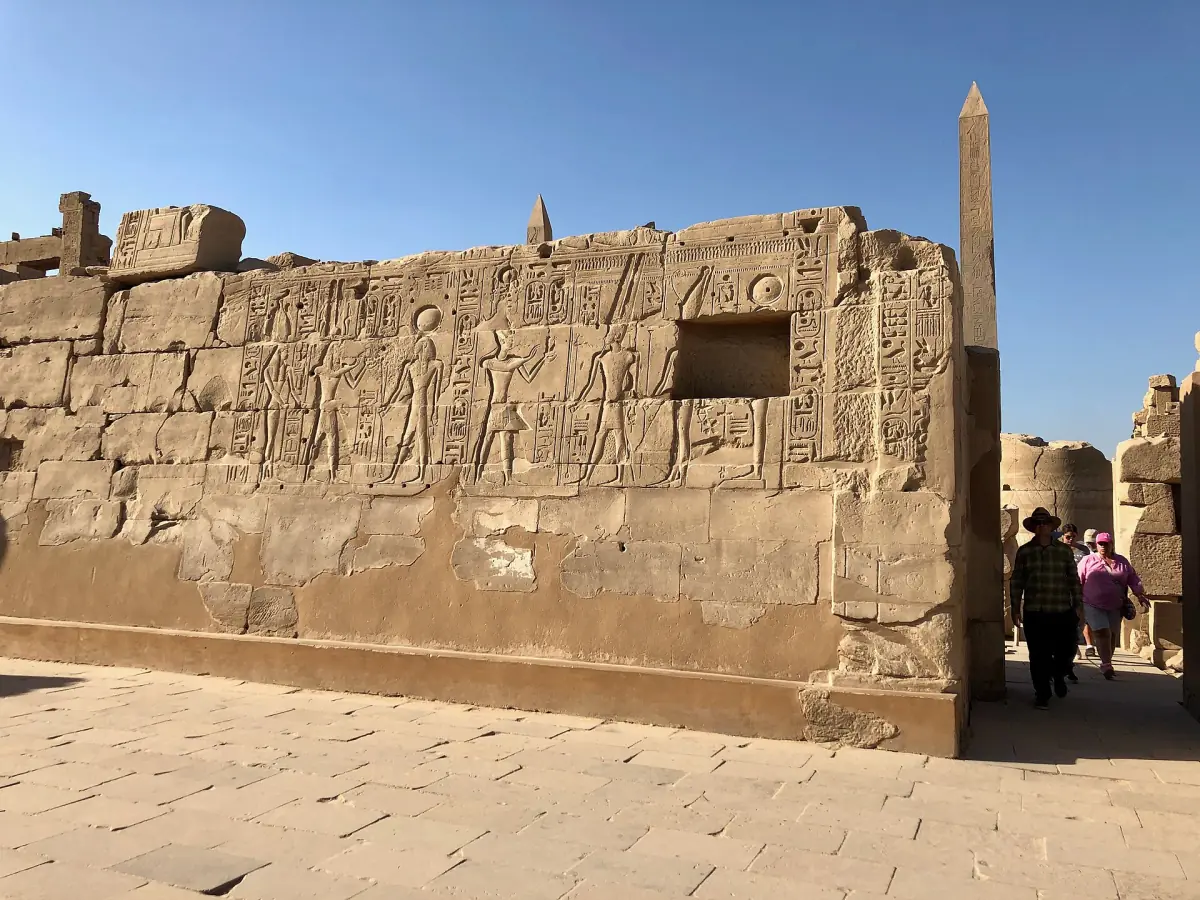
The Karnak obelisks compared
Two obelisks in the Amun precinct, and one that is easy to mix up.
| Obelisk | Height | Weight | Note |
|---|---|---|---|
| Hatshepsut (standing) | Almost 30 m | Over 300 tonnes | Inside the Karnak ticket |
| Thutmose I | 21.7 m | About 143 tonnes | Red granite from Aswan, behind the third pylon |
| Ramesses II (Luxor Temple) | – | – | One of the pair went to the Place de la Concorde in Paris in 1836 |
The Paris obelisk belongs to Luxor Temple and is not Hatshepsut's. For most visitors, Hatshepsut's obelisk is the one to find first, and the Thutmose I obelisk is the one to read.
Our pick: private guide at Karnak
This private tour names the obelisks and the Sacred Lake among its stops, with the Karnak ticket in the price.
Hand-picked tours, booked through GetYourGuide. Prices are indicative starting prices in US dollars (as of October 2026). Tap a tour for live availability and the current price in your currency.
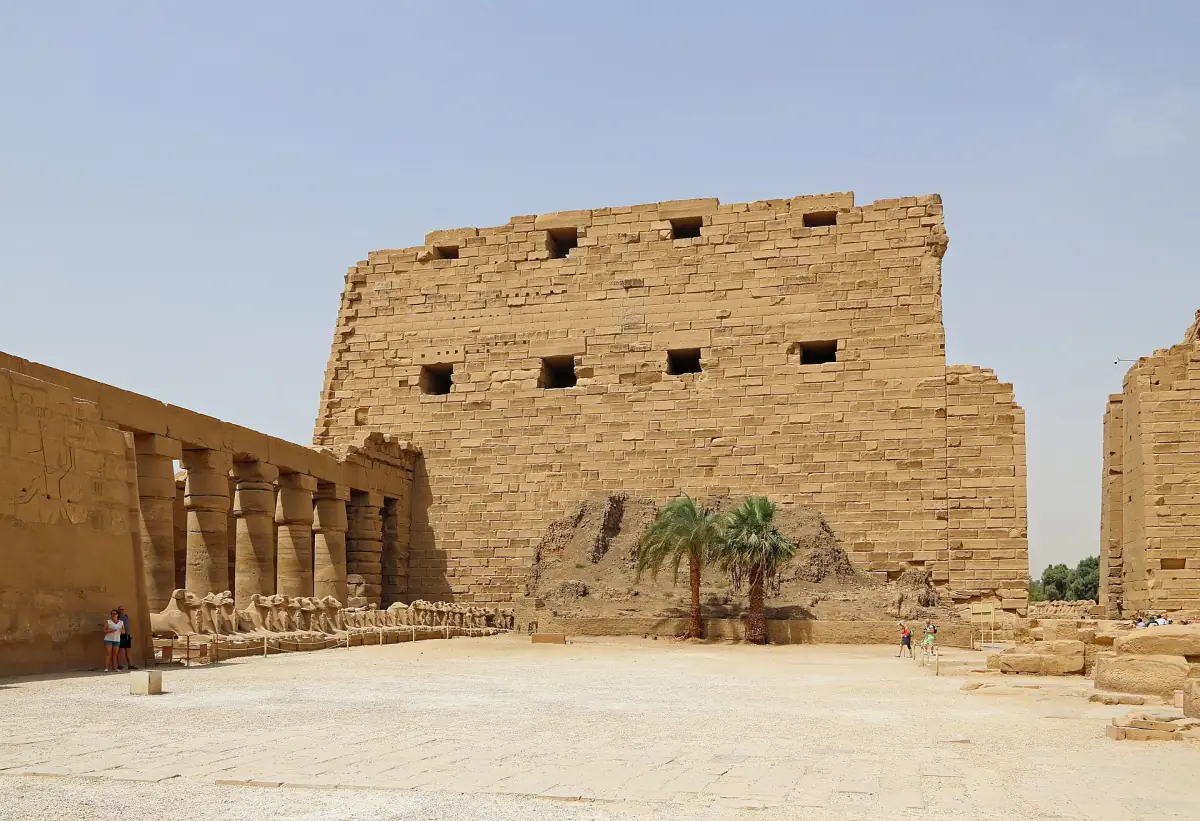
Karnak tours with the obelisks and the Sacred Lake
Guided visits of Karnak and combinations with other Luxor sights, with live prices and availability.
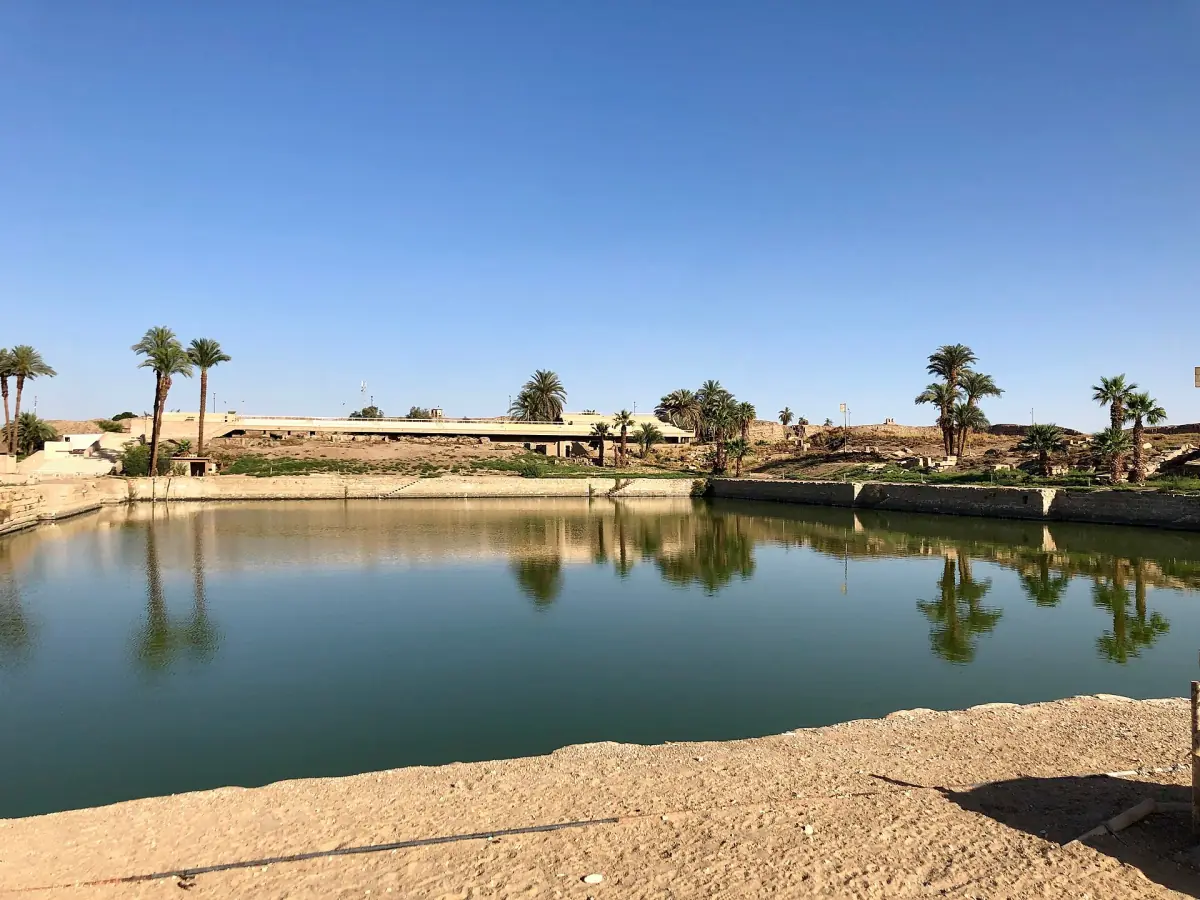
Sacred Lake Karnak: what it was for
The Sacred Lake was the priests' place of purification before rituals. Today it is a stretch of calm water with a stone edge and palms. Treat it as a monument to look at, and follow the signs and the staff on where you may walk along the shore.
North of the lake stands a building of the king Taharqa. A restoration programme for it runs from 2024 to 2027. That is the project period, not a closing date for the lake or for Karnak, so check on arrival what you can see. Near the lake you will also see a large stone scarab statue on a plinth.
Hatshepsut, Thutmose III and the Akh-menu
The builders behind the monuments.
Hatshepsut
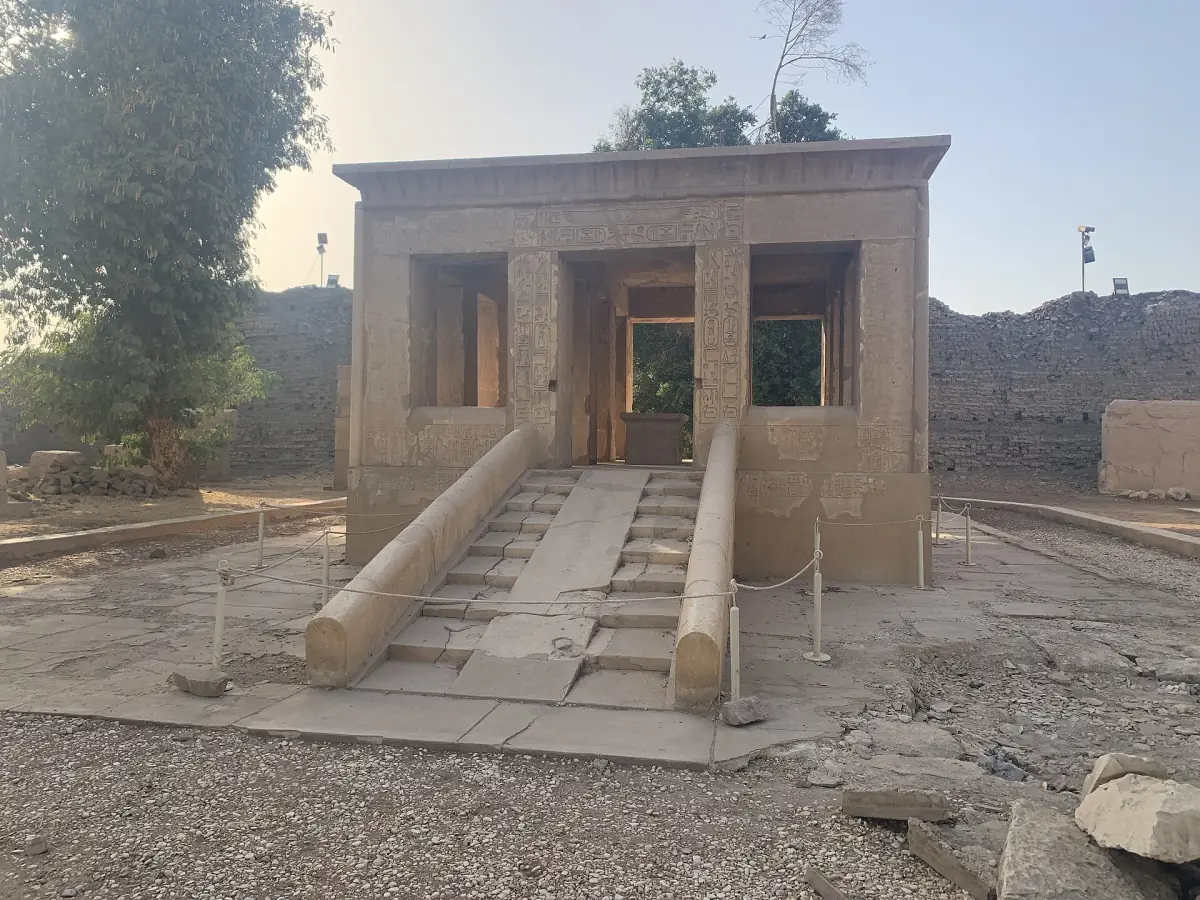
She left the tall standing obelisk. Her Red Chapel is now in the Open Air Museum.
Thutmose I
His obelisk stands behind the third pylon and carries his central line of inscription.
Thutmose III
He had the Akh-menu built, and a calcite chapel of his stands in the Open Air Museum.
Across the river
Hatshepsut's mortuary temple at Deir el-Bahari on the west bank has three terraces. See Hatshepsut Temple for that side.
For the building sequence, read the history of Karnak Temple.
Visiting the obelisks and the lake
Karnak is open daily from 06:00 to 17:00, and a ticket costs EGP 600 for foreign adults and EGP 300 for students in 2026. From June to August the daily highs average above 41 °C, so start early in summer. The weather guide has the monthly figures.
Private photos are free, with no flash indoors. Drones need a special permit. The evening sound and light show has its own ticket and is not part of the day ticket.
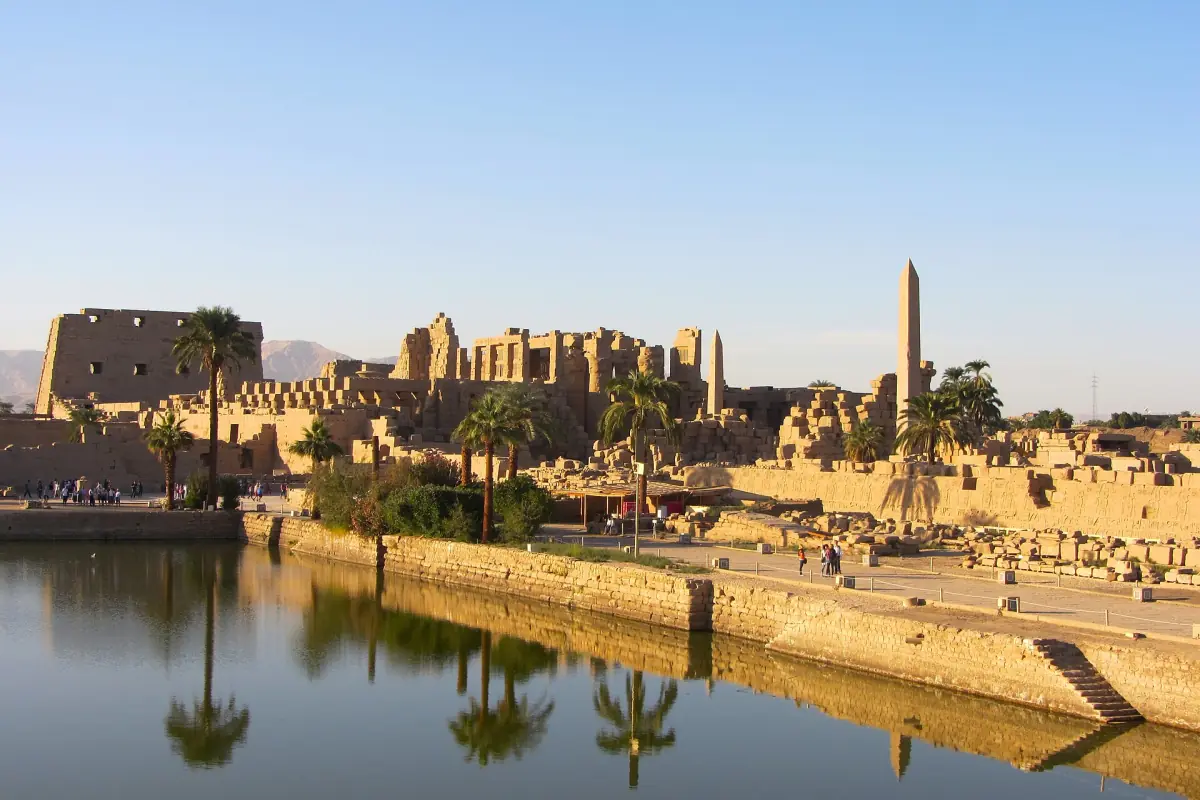
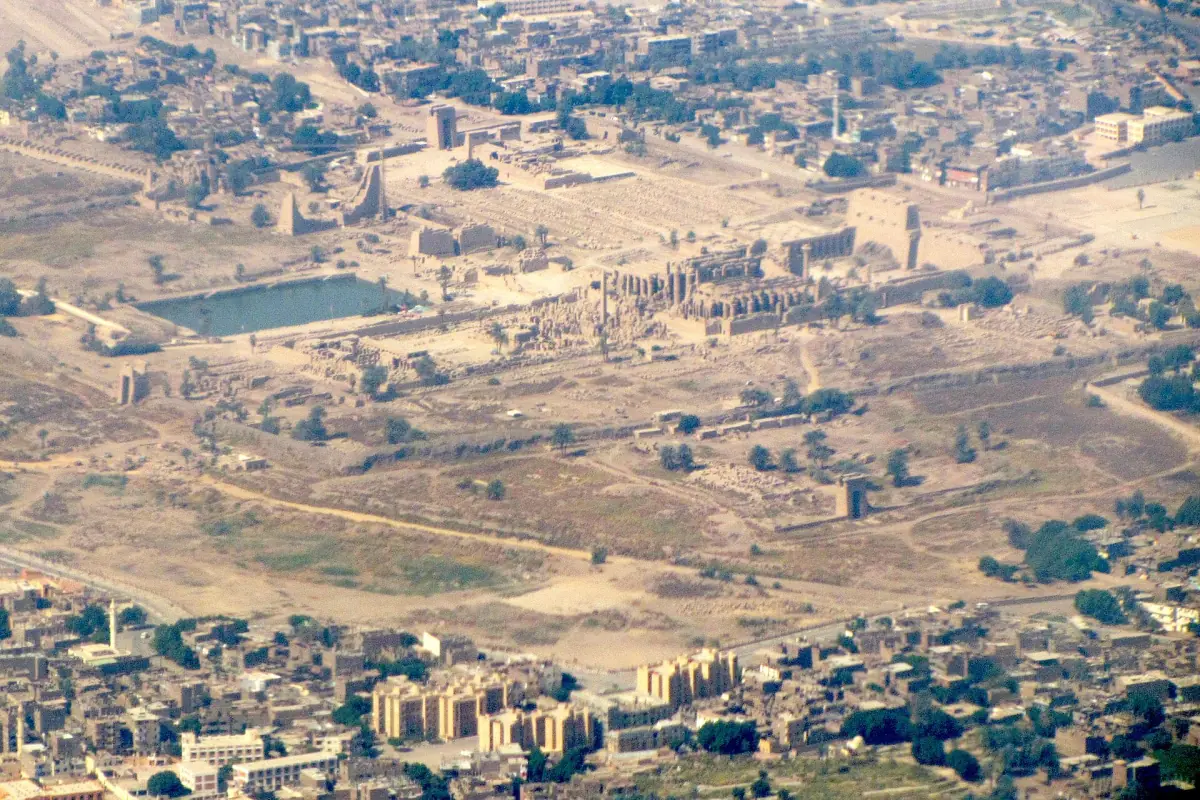
Where the obelisks sit in the temple
A short orientation along the main axis.
Pylons I to X
The Amun temple has ten pylons, numbered I to X. Six stand along the east-west axis and four along the axis that runs south.
The Great Hypostyle Hall
The hall lies between the second and third pylons. Read about it in the Great Hypostyle Hall guide.
Behind the third pylon
Here stands the obelisk of Thutmose I. It is the one with the three lines of inscription on each side.
The standing obelisk of Hatshepsut
It stands in the same precinct and rises almost 30 m. Compare its height with the Thutmose I obelisk behind the third pylon.
Allow time to stand still in front of each obelisk. The inscriptions are easier to follow from a few steps back than from directly below.

Obelisk of Hatshepsut: frequently asked questions
How tall is Hatshepsut's obelisk at Karnak?
Almost 30 m, and it weighs more than 300 tonnes.
Is there another obelisk at Karnak?
Yes. The obelisk of Thutmose I stands behind the third pylon. It is 21.7 m high, weighs about 143 tonnes and is made of red granite from Aswan.
What was the Sacred Lake used for?
Priests used it for purification before rituals.
Is the obelisk in Paris the same as Hatshepsut's?
No. One of the two Ramesses II obelisks of Luxor Temple went to the Place de la Concorde in Paris in 1836. Hatshepsut's obelisk still stands at Karnak.
Is this the official Karnak website?
No. This is an independent travel guide. Tickets come from the site or the state ticket portal, and the tours shown here come from independent providers.