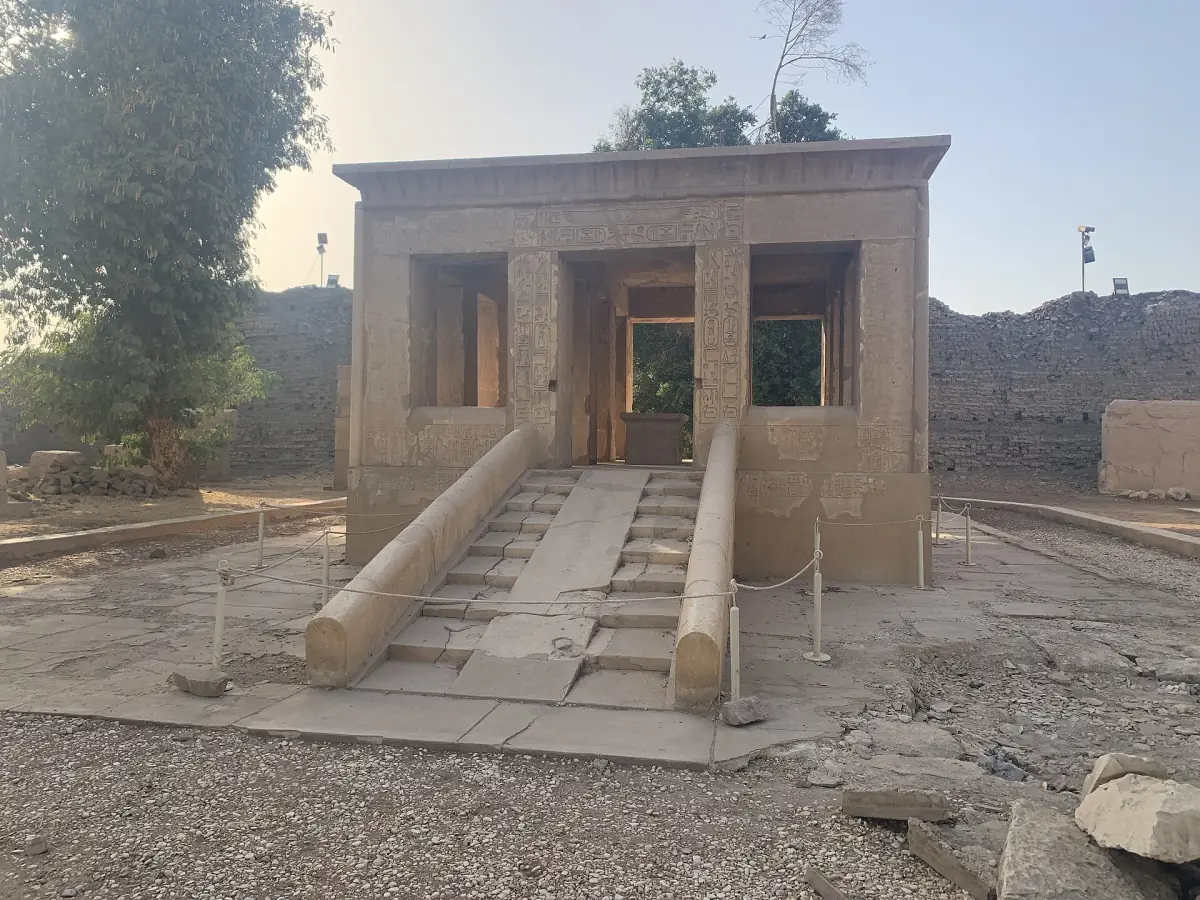
The Karnak Open Air Museum at a glance
The Karnak Open Air Museum shows chapels that were reassembled from ancient blocks in modern times. The best known are the White Chapel, attributed to Senusret I, and the Red Chapel of Hatshepsut. A calcite chapel of Thutmose III stands there as well.
You do not pay extra. The foreign ticket for Karnak covers the temple and the Open Air Museum. Because it sits inside the site, it fits easily into a normal visit. A guide helps you read the chapels, so compare the Karnak tours before you go.
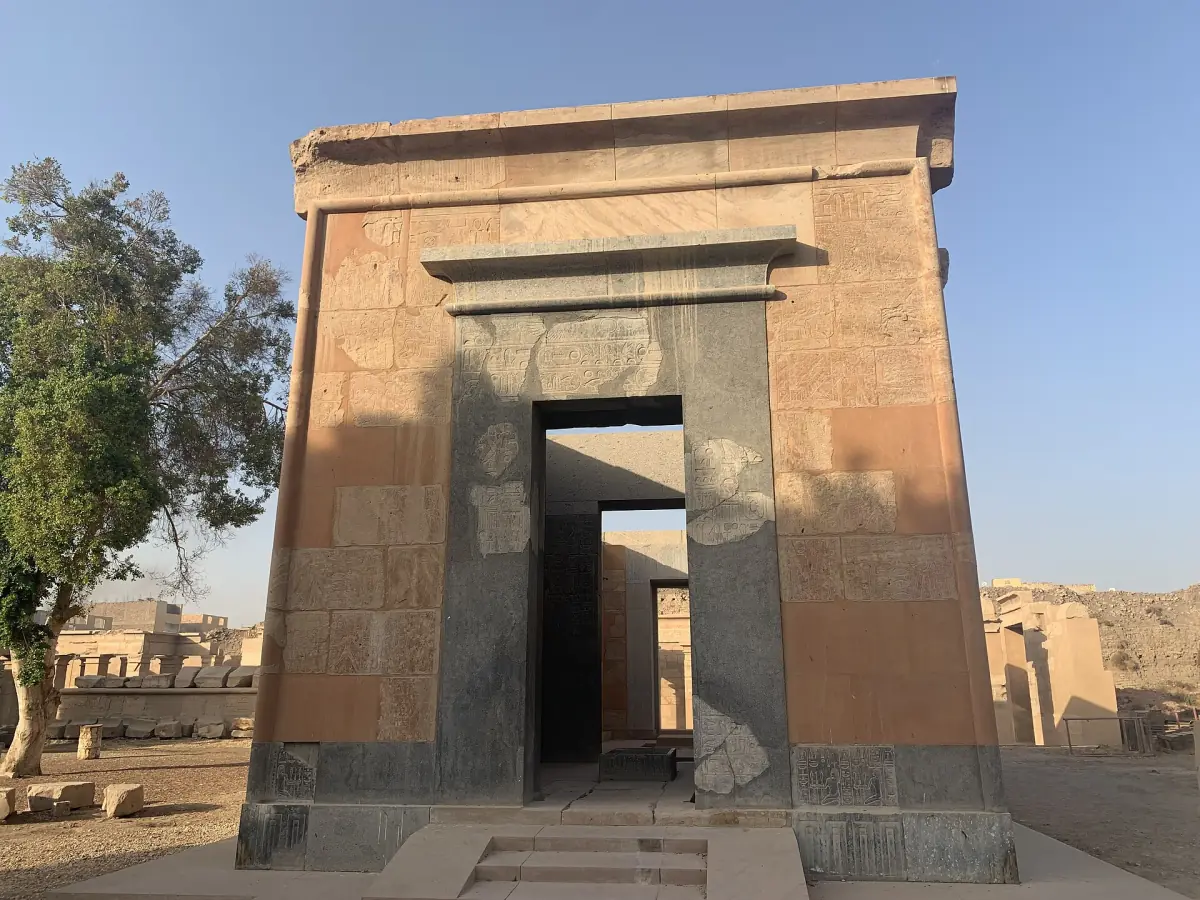
White Chapel and Red Chapel
The three chapels to look for.
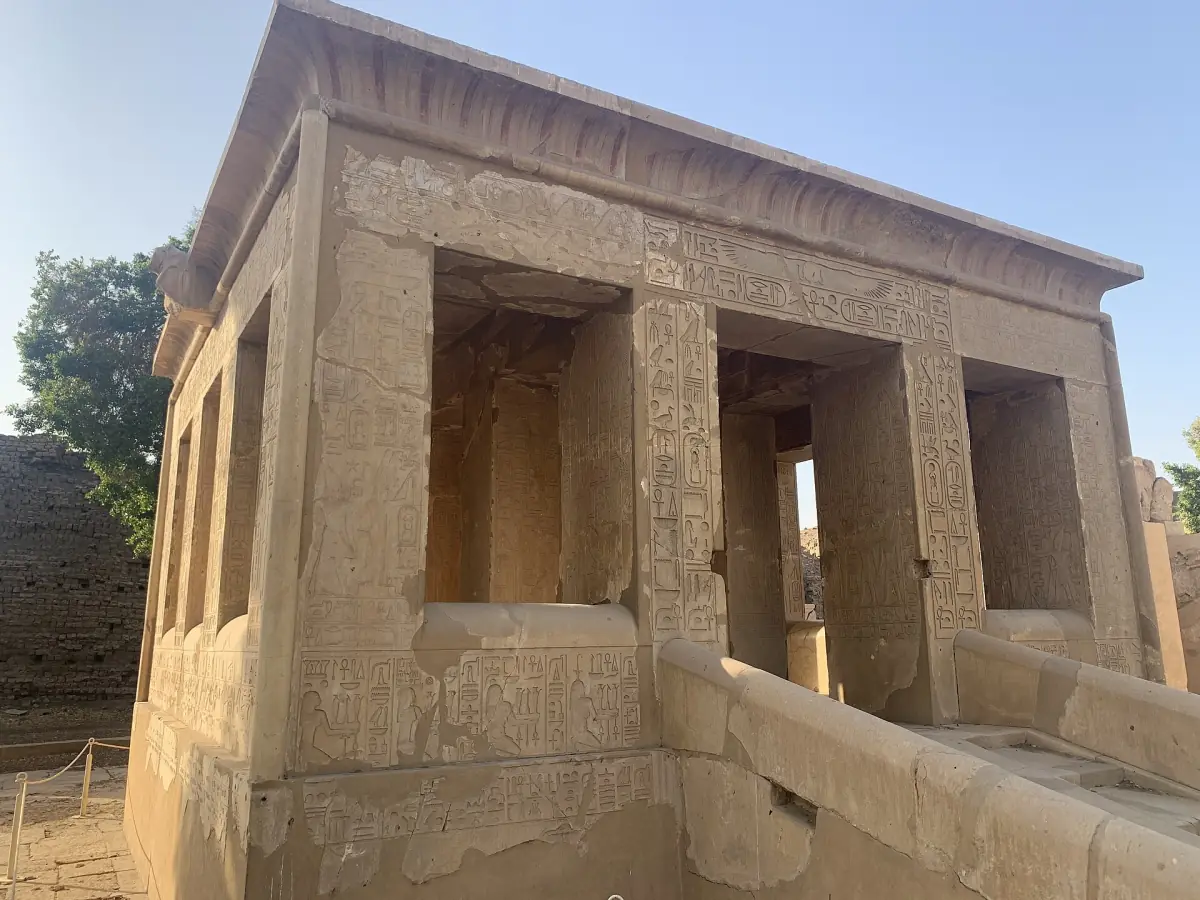
The White Chapel
The White Chapel is attributed to Senusret I and has square pillars and a sloping ramp. It stands in the Open Air Museum today.
The Red Chapel of Hatshepsut
The Red Chapel was built for Hatshepsut. It was found in the context of the third pylon and now stands in the museum.
The calcite chapel of Thutmose III
This chapel was rebuilt between 2010 and 2016. The work ended when a roof slab of 76 tonnes was set in place. That date is a past rebuild, not a new opening.
Karnak tours with the Open Air Museum
Guided visits of Karnak and combinations with other Luxor sights, with live prices and availability.
Original place or reconstruction?
The chapels in the museum are not standing where they stood in ancient times. They were reassembled from ancient blocks. The Red Chapel is an example: it was found in the context of the third pylon and now stands as a museum piece.
That is useful to know when you look at the walls. You see ancient stone arranged in a modern frame. For the wider story of who built what, see the history of Karnak Temple.
Tickets for Karnak and the Open Air Museum
Prices for foreign visitors in 2026.
| Ticket | Adults | Students | Includes |
|---|---|---|---|
| Karnak Temple | EGP 600 | EGP 300 | The temple and the Open Air Museum |
| Mut precinct | EGP 200 | EGP 100 | Separate ticket |
| Luxor Temple | EGP 500 | EGP 250 | A separate site, with its own ticket |
For most visitors, one Karnak ticket is enough for the temple, the chapels and the hall. Add the Mut precinct only if you want to see it. See the ticket guide for opening hours and how to buy.
Practical points
For your visit.
Hours
The museum is part of Karnak. Plan it within the site hours, daily from 06:00 to 17:00.
Photos
Private, non-commercial photography is free, with no flash indoors. Drones need a special permit.
Heat
From June to August the daily highs average above 41 °C. Start early. The weather guide shows each month.
Next stop
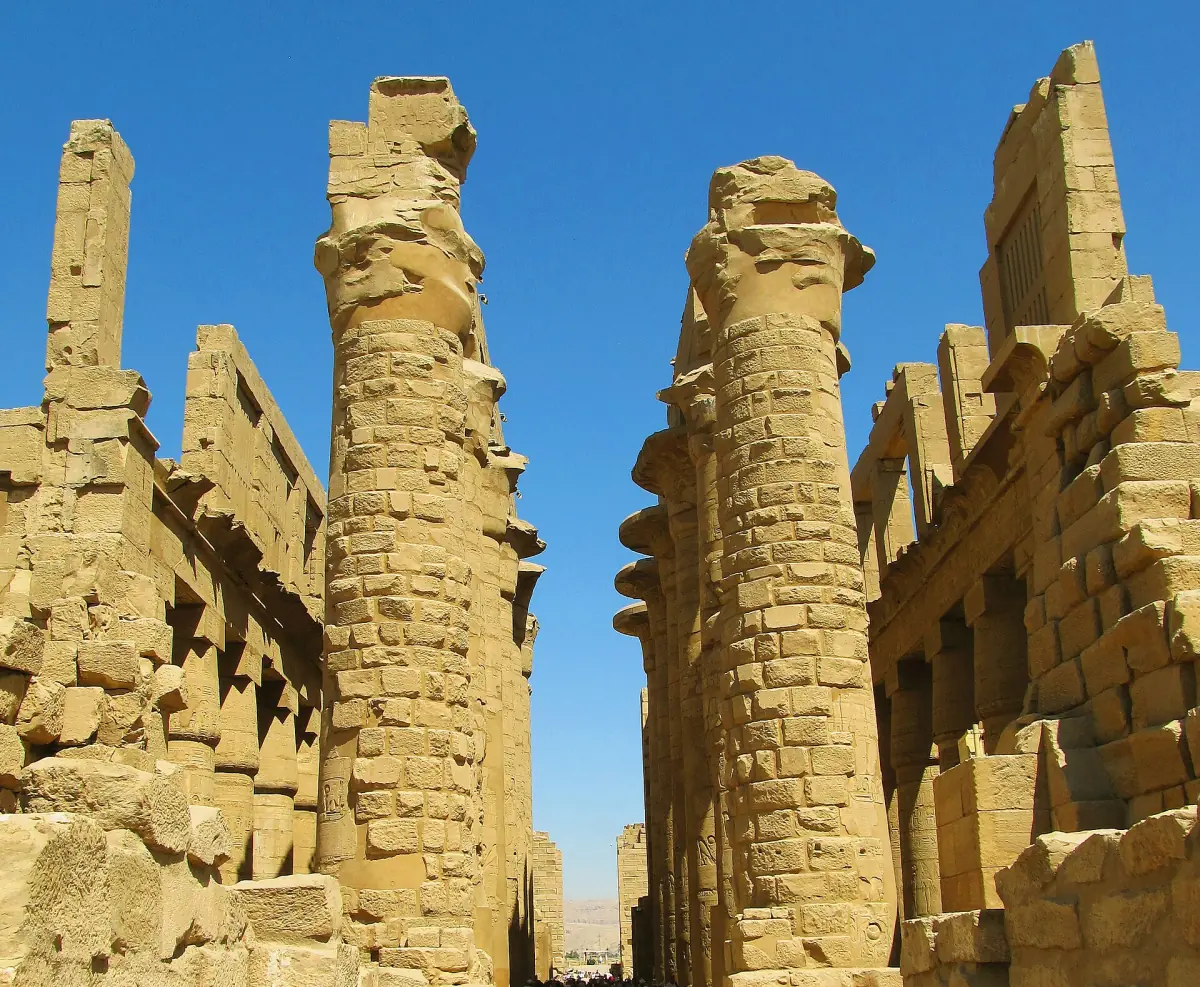
The Great Hypostyle Hall and Hatshepsut's obelisk fit into the same ticket.
For the surrounding city, the Luxor guide to Karnak Temple lists what lies nearby.
A simple order for your visit
One way to fit the museum into a half day at Karnak.
1. The big halls first
Start early, when the site opens at 06:00. The Great Hypostyle Hall and the obelisks are best in the cooler hours.
2. The chapels next
The White Chapel and the Red Chapel make a calm stop after the busier halls. Look at the reliefs up close.
3. Be inside by 16:00
The site closes at 17:00. Plan to be inside by 16:00, so you are not rushed through the museum at the end of the day.
4. Luxor Temple in the evening
The Luxor Temple is open until 20:00 and has its own ticket.
This is a suggestion, not a fixed route. Adjust it to the heat, the crowds and the pace of your group.
Karnak Open Air Museum: frequently asked questions
Is the Open Air Museum included in the Karnak ticket?
Yes. The foreign ticket for Karnak, EGP 600 for adults and EGP 300 for students in 2026, covers the temple and the Open Air Museum.
What is in the Karnak Open Air Museum?
Reassembled chapels, among them the White Chapel, the Red Chapel of Hatshepsut and the calcite chapel of Thutmose III.
Who built the Red Chapel?
It was built for Hatshepsut. It was found in the context of the third pylon and now stands in the Open Air Museum.
Does the museum have separate opening hours?
Plan it within the opening hours of Karnak, daily from 06:00 to 17:00.
Is this the official Karnak website?
No. This is an independent travel guide. Tickets come from the site or the state ticket portal, and the tours shown here come from independent providers.